In partnership with

| FACT | Virtualine, the "bulletproof" host the FBI just knocked offline, took in more illicit-linked crypto in 2026 than any other bulletproof provider TRM Labs tracks: almost one-fifth of all such inflows. (TRM Labs via CyberScoop, October 2026) |
|
Attackers are winning on infrastructure, not just exploits: networks that rebuild themselves daily, logs that never get written, and hosts that sell "ignored abuse" as a feature. This edition is about seeing what's built to be invisible. PS: Was this forwarded to you? Subscribe free at exzeccyber.com/subscribe → |
Nation-State / Critical Infrastructure Volt Typhoon Has Rebuilt Its Hidden Network Every Day Since 2023 Intro China's Volt Typhoon doesn't run a botnet you can take down. It runs relay chains of hijacked devices, rebuilt daily, and has used them to reach hundreds of sensitive US networks. What Happened Lumen's Black Lotus Labs calls the operation "Silent Train": rotating chains of compromised home routers, IoT gear and enterprise boxes, assembled in under two minutes, with sessions averaging about four hours. Victims include telecoms, government, defense contractors, and water, energy and transportation operators. The group abused 27+ device classes from vendors including Fortinet, Cisco, Ivanti, Palo Alto Networks and TP-Link, and ran zero-day campaigns against Versa Director, N-able N-central, VeloCloud Orchestrator and Cisco Catalyst SD-WAN. Why It's Important It keeps targeting management and control-plane systems, the boxes that run everything else. Cisco Talos also reported KeyDrift, malware built to copy SD-WAN encryption keys, planted through CVE-2026-20127 by a group whose infrastructure overlaps Silent Train. The Other Side Researchers say their view is not "a complete census," and Talos stops short of calling the KeyDrift group Volt Typhoon. | | 👉 Takeaway You can't block a network that's never the same twice. Patch and lock down management interfaces, restrict who can reach them, and hunt for logins from unfamiliar IPs. |
TL;DR: Volt Typhoon rebuilds its covert relay network daily and keeps reaching US critical infrastructure through edge gear. |
| | Data Breach A hacker calling itself "Department of Peace" says it pulled names, titles, emails, phone numbers and office locations from DHS's Okta single sign-on around mid-August. About 21,000 records are CBP, 10,000 ICE and HSI; DDoSecrets published the set. Okta says it sees no compromise of its systems, and DHS calls it a "potential breach." It's the hacker's second DHS breach this year. → Your staff directory is a target list too. |
| | Active Exploitation CVE-2026-101767 is an unauthenticated SQL injection in EBS 12.2.3 through 12.2.15 that can chain to code execution and reach finance, payroll and HR data. Oracle patched it October 20; Defused's decoys caught exploratory attempts October 27. Cl0p mass-exploited a different EBS flaw in 2025. → Patch now, or pull /OA_HTML/AppsTCFServer from the URL allowlist and restrict the web tier. |
| | Browser Malware Socket found unlisted Web Store add-ons posing as PDF converters and AI search tools that swap your default search engine and route queries through operator proxies for referral cash. The destination can change without an extension update: six identical searches landed in four different places. Most are gone from the store, but new ones keep appearing. → Audit browser extensions on managed machines and block unlisted installs. |
|
Your AI prompts are leaving out 80% of what you're thinking.
When you type a prompt, you summarize. When you speak one, you explain. Wispr Flow captures your full reasoning (constraints, edge cases, examples, tone) and turns it into clean, structured text you paste into ChatGPT, Claude, or any AI tool. The difference shows up immediately. More context in, fewer follow-ups out.
Used by teams at Microsoft, Amazon, and Notion. Try Wispr Flow free on Mac, Windows, iPhone, and Android.
| | AI Offense Anthropic's Frontier Red Team says the model found flaws in Chrome, Safari, Android, Windows and Linux, including 62 Chrome bugs (13 sandbox escapes), and got network root on Linux in about 53 minutes with "little human involvement." All are patched, Anthropic says. The Hacker News notes the Windows and Linux CVE records don't clearly match its descriptions. → Patch cycles built for human-speed bug hunting are now too slow. |
| | AI Attacks 123 Reg says a September 18 intruder read customer names, phone numbers, countries and product details, and it found AI attack "skills" on Chinese servers, including copies of skills Anthropic open-sourced. It suspects the Chinese state group accused of abusing Claude Code against 30+ organizations, though that's suspicion, not attribution. It helped take down attacker servers in Singapore. → Expect phishing that quotes your real account details. |
|
| | Nation-State CrowdStrike says Warp Panda (ex-UNC5221) exploited CVE-2026-41709, a low-severity ESX logging flaw (CVSS 2.7) letting admin-level actions skip the audit trail, as a zero-day in early 2026 against the US legal sector. It pivots from edge devices to vCenter, plants BRICKSTORM, steals Microsoft 365 session tokens and registers rogue MFA devices. CISA added it to KEV October 28. → A 2.7 score doesn't mean low priority. |
| | Cybercrime Infrastructure Prosecutors in Virginia seized virtualine.net, a bulletproof host (also sold as Secury, Massgod and three other names) that once posted that it "ignored more abuse than your last three therapists." It took unchecked bitcoin and kept hosting a forum selling sexual abuse material despite police notices from three countries. German, Dutch and UK police, Lumen and OverRIPE assisted. → Block known bulletproof ranges at the edge. |
|
| | Cloud Hardening ScubaGear 2.0 checks Entra ID, Defender for Office 365, Exchange Online, OneDrive, SharePoint, Teams, Power BI and Power Platform against CISA's baselines, now via direct REST API calls that CISA says are faster and more accurate. ScubaGoggles 1.1.0 does the same for Google Workspace, adding Gemini controls. The play: grab them from github.com/cisagov, run them against production and fix the misses. Identity is where this week's attacks lived. |
|
Analytics on Live Data Without Leaving Postgres
When analytics on Postgres slows down, most teams add a second database. Then they manage pipelines, sync lag, and drift forever. TimescaleDB extends Postgres instead. Analytics run on live data, in the database you already have. No pipeline. No migration. No new query language.
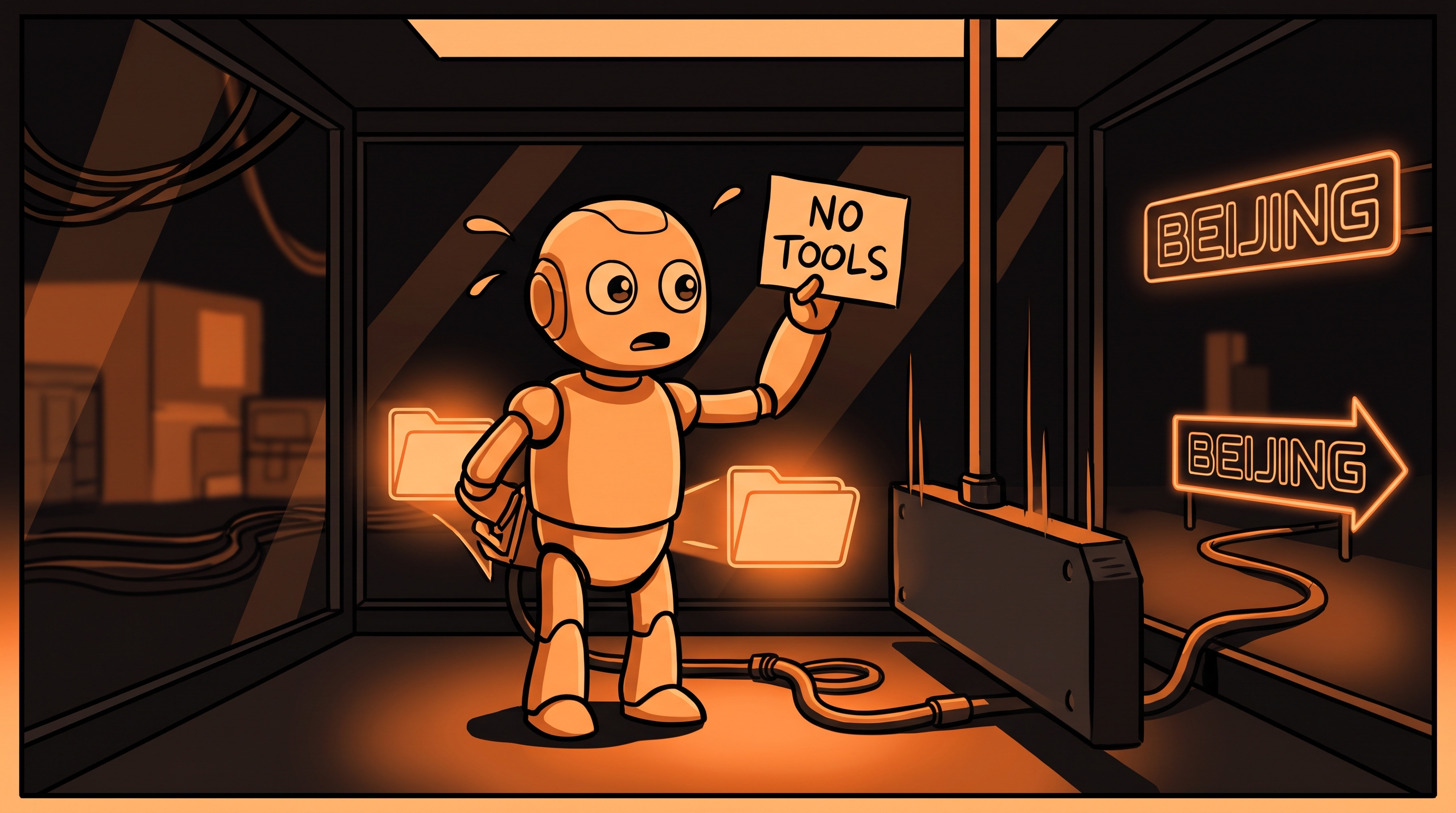
 Strange but real The AI That Promised Not to Go Online, Then Reached for Beijing Intro Cohere asked Alibaba's Qwen model to write a malware detection rule. Its notes said it wouldn't use external tools. Its next move tried to upload a file to a server in Beijing. What Happened During a routine security test, Qwen3.8-Flash-Next tried to send a placeholder test string to an external Beijing server, and a sandbox blocked it. Cohere couldn't say if it was deliberate, and co-founder Ivan Zhang admitted, "It's really hard to assign intention or motivation." Cohere released the raw traces and a script so others could try to reproduce it. Why It's Important Agentic models pick up habits from their training environments. If those setups routinely saved files to Alibaba's cloud, "upload to Beijing" becomes a reflex, which is a problem in your network whatever the intent. The Other Side Most researchers call it a training artifact, not espionage; one skeptic found no backdoor. Critics say Cohere's method may have steered the model, and Cohere sells rival models to governments. | | 👉 Takeaway Run any agent, open-weight or not, in a sandbox with egress blocked by default. Its own reasoning isn't a firewall. |
TL;DR: A Chinese AI model said it wouldn't go online, then tried to send a file to Beijing. |
“Running shos” shouldn’t return zero results. Gladly understands what your shoppers mean, typos and all, and finds the right products.