
In partnership with

| ~6 MIN READ |
|
This edition is about leftovers: old configs, old habits and stored secrets that attackers now find faster than anyone cleans them up. Here's what got hit, where surveillance is heading, and one router check worth five minutes. PS: Was this forwarded to you? Subscribe free at exzeccyber.com/subscribe → |
In this edition
|
Cloud Security / Exploited Flaw Norway's Energy Sector Caught an Azure Flaw Exposing Customers' Secrets Intro Microsoft closed a hole in Azure API Management within a day. Closing it doesn't revoke anything that already walked out, so customers are being told to rotate. What Happened Norway's National Security Authority (NSM) says an unknown actor went hunting for access tokens, secrets and named values in APIM, and that Equinor and Skagerak Energi were among those hit. Norway's energy sector first identified the flaw, with Equinor helping alert authorities. A non-public Microsoft advisory says it found the issue in the older Classic tiers on November 18, closed the access path November 19, and that identity-provider client secrets, subscription keys and management API tokens may have been accessed. Why It's Important APIM sits in front of your APIs, so its secrets unlock the services behind it. Microsoft hasn't said how many customers were exposed, and NSM says "It remains unclear how extensively the vulnerability is being exploited or has been exploited in the past." The Other Side Equinor says there's "no indication that data has been stolen or altered," and production ran normally. Microsoft says exposure mainly hit customers who skipped its configuration guidance or kept secrets in APIM instead of Azure Key Vault.
TL;DR: An Azure APIM flaw exposed customer secrets; Microsoft fixed it, but you still have to rotate. Further reading: The Record |
|
Your best ideas shouldn't live in drafts.

You've got the ideas. Your audience is out there. What's missing is one place to bring them together.
beehiiv offers everything you need to build your content business. Grow your newsletter, launch a custom website, host your podcast, and sell digital products, all from one platform. But hurry, because our biggest sale of the year ends Cyber Monday.
|
|
|
Product teams aren’t short on ideas. They’re missing a system.

Jira Product Discovery gives teams one place to capture customer feedback, prioritize ideas with consistent frameworks, and build living roadmaps everyone can align on. And when it’s time to build, those decisions connect directly to delivery in Jira, so everyone can see how the roadmap turns into real work.
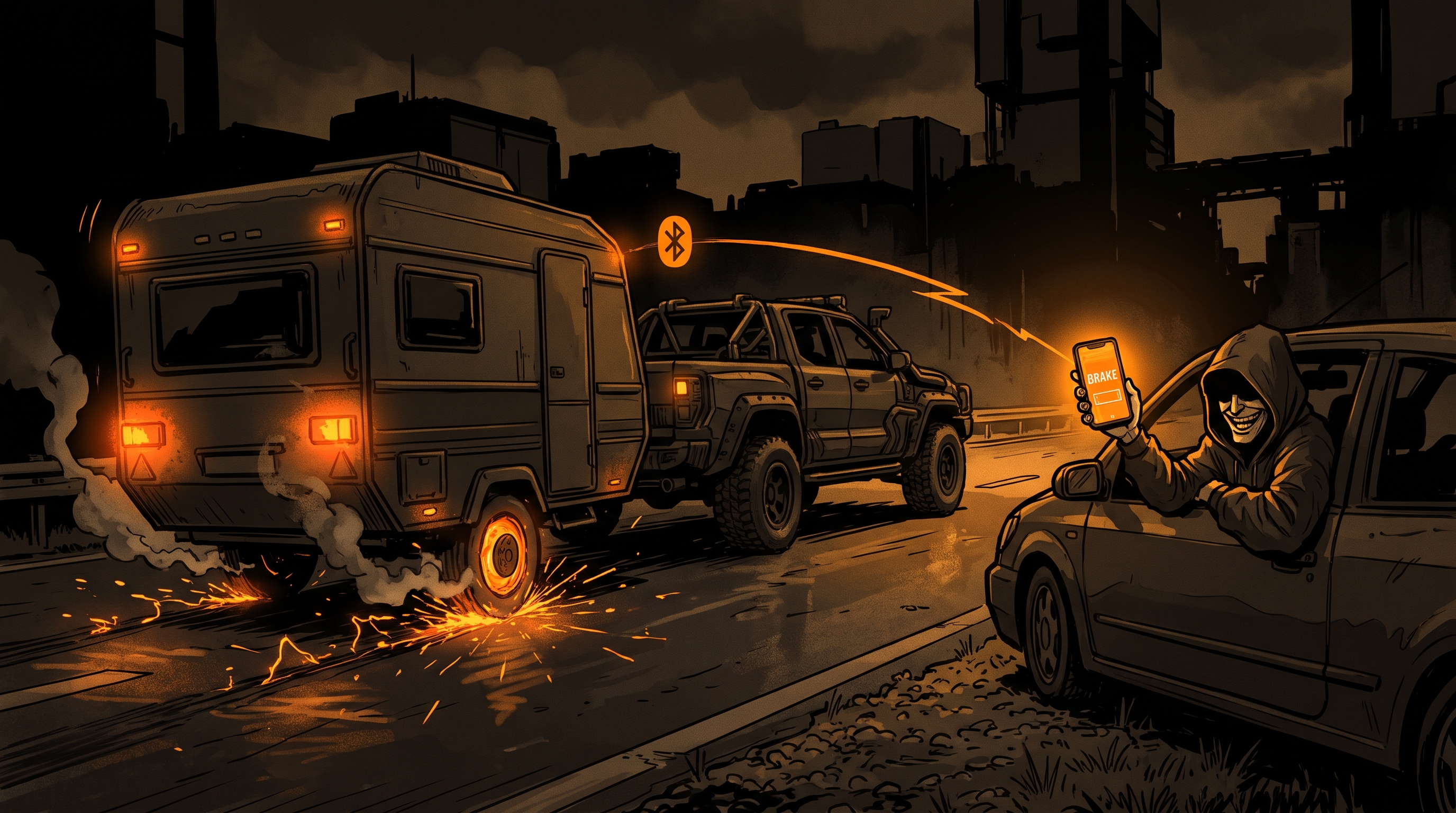 Strange but real Anyone Within Bluetooth Range Could Hit the Brakes on Your Trailer Intro Patrick Forck's in-car remote connected, mid-drive, to someone else's trailer brake controller. That was the first clue something was off. What Happened Forck and Jeremy McCarthy of Element Digital had Claude Code analyze a decompiled copy of the Elecbrakes app, mapping 47 Bluetooth characteristics across four services. Commands were plain, unencrypted bytes with no checksums or sequence numbers, and critical braking commands needed no authentication. Anyone in range could trigger the brakes or apply more force than intended; CISA issued three CVEs, two rated CVSS 9.6. Why It's Important Neither researcher is a software developer, and it took them a couple of days. As they put it, "This kind of research used to require a fairly rare and specific skill set." The Other Side The in-car and trailer-mounted models now have patches, and an attacker has to be within Bluetooth range. But updates are manual, and the older ELBC2000 is still unpatched; the vendor didn't confirm it was vulnerable until the end of October.
TL;DR: Elecbrakes trailer brakes accepted unauthenticated Bluetooth commands; patches exist, except for the ELBC2000. Further reading: The Register |
Your biggest deal just asked for a SOC 2 report. Can you send one? Sprinto gets you audit-ready in 14 days with three sessions of your time. No consultants, no compliance hire.