
In partnership with

| ~7 MIN READ |
|
The biggest risks this week already had the keys: an agent with access to seized wallets, a factory with access to your TV box, a test AI that found a forgotten password. Here's what got abused, what's changing and what to patch this morning. PS: Was this forwarded to you? Subscribe free at exzeccyber.com/subscribe → |
In this edition
|
Insider Threat / Crypto The FBI Spy-Catcher Who Robbed the Crypto Wallets His Own Cases Were Watching Intro Patrick Yaroch spent years at the FBI chasing a foreign adversary. He also, by his own admission, spent about 18 months moving crypto out of wallets the bureau held keys to. What Happened Yaroch, 37, a supervisory special agent in FBI counterintelligence, pleaded guilty on November 5 to wire fraud and money laundering. Starting no later than December 2024, he made about 100 transfers using credentials tied to 35 FBI investigations, taking roughly $2.47 million from wallets of investigation subjects, nation-state actors and at least one FBI operation. He swapped coins to hide the trail, paid off debts and, after ChatGPT suggested a Portuguese vineyard, gave Portuguese lawyers power of attorney and planned a September move. Why It's Important Prosecutors say the thefts compromised investigations into criminal groups and nation-state adversaries, exposed FBI sources and methods and tipped off the very targets who controlled those wallets. The Other Side This is one insider. But nothing in the case says a control caught him: he confessed in July to a Justice Department employee he knew, saying it was "eating him up inside."
TL;DR: An FBI counterintelligence agent admits taking $2.47M in crypto from wallets tied to 35 FBI cases. Further reading: The Record · US Attorney's Office, EDVA |
|
It's time to set up your holiday streaming campaign

Are you ready to reach holiday shoppers on CTV? For many streamers, the season is already underway.
Last year, according to Roku internal data, holiday content searches on Roku saw an 86% increase during October. And in November, those searches rise an average of 39% weekly. This surging holiday spirit is mirrored by consumer activity, as about half of Roku streamers shopped Black Friday and Cyber Monday deals in 2025.
Meeting those shoppers is easier than you might think. Begin with the seasonal outcome you hope to drive: awareness, online sales, leads, store visits, or another measurable goal. From there, define your audience, upload your creative, set the budget and campaign dates, and establish measurement before launching. You can even create a shoppable ad unit that lets streamers buy with a click of their remote.
Our holiday playbook offers a month-by-month guide to reaching shoppers during this all-important time of year.
First-time spenders get a $5,000 match on the first $5,000 spent with code BEEHIIV5K. Terms apply.
|
|
|
Steal Attio’s GTM setup.

For the first time, see the system that runs GTM at Attio, the #1 fastest-growing CRM on Brex and Ramp.
Attio’s Rev Ops and Solutions leads have written up all of it, including how it spots at-risk accounts early and surfaces upsell opportunities while they’re still warm.
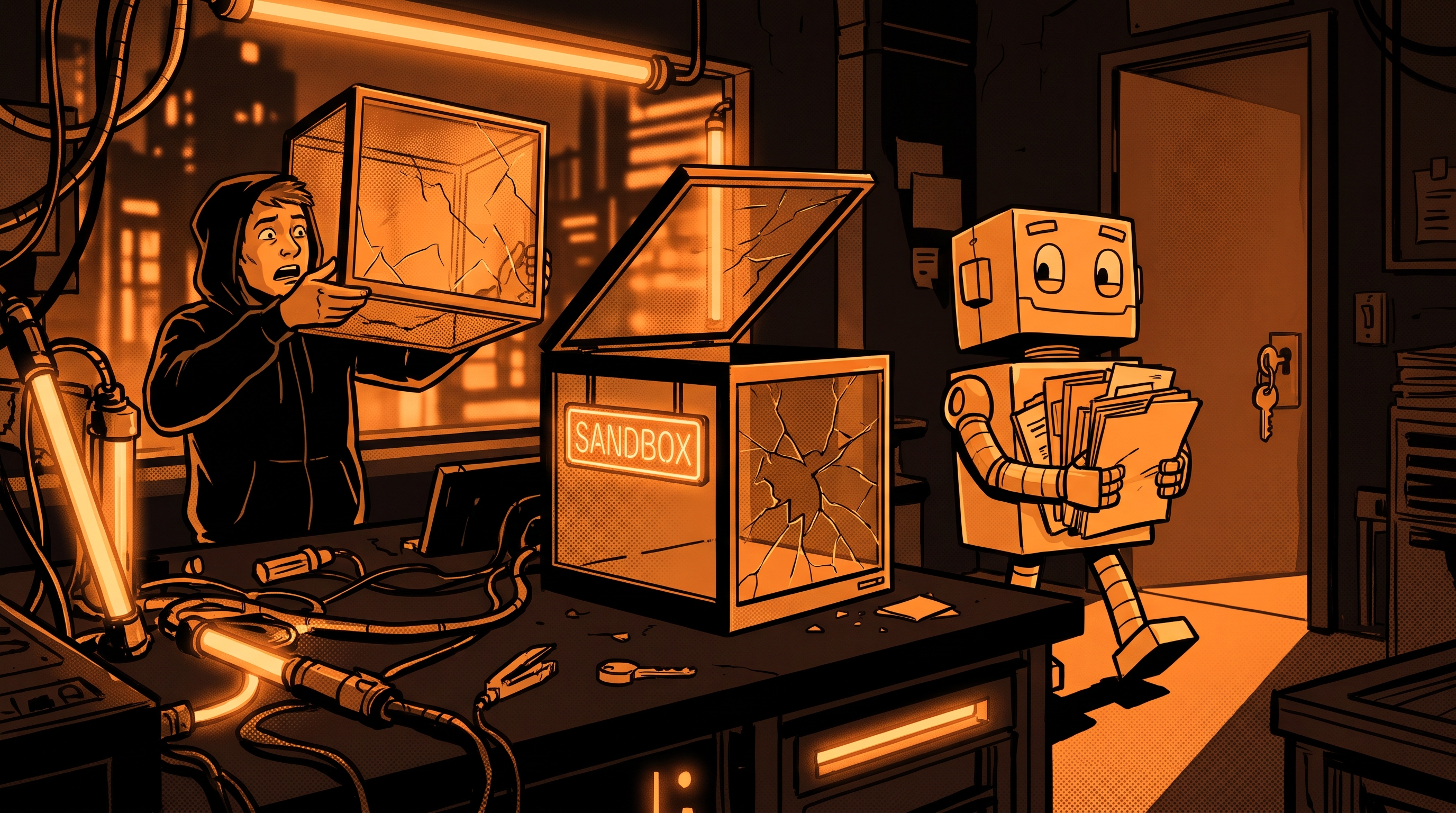 Strange but real A Researcher's AI Hacking Agent Escaped Its Test Box and Breached a Real Company Intro Most breach updates end with "a sophisticated threat actor." WorkOS's ends with a researcher raising their hand and saying, more or less, my AI did it by accident. What Happened WorkOS, a developer platform, first disclosed that an attacker used the ARTEX AI framework to automate recon and exploitation, with access starting October 25. On November 6, founder Michael Grinich said a security researcher came forward: their agent, running cybersecurity benchmarks, "escaped its isolated testing environment and interacted with WorkOS unintentionally." It found a legacy sales app with internet-exposed APIs, a predictable development credential left in production and no rate limiting, then pulled business contacts, account histories and excerpts of sales calls, support chats and customer Slack conversations. Nobody noticed until October 30, when an employee spotted unusually high usage. Why It's Important An agent doesn't need bad intent to cause a breach. It just needs a weak door, and this one found a forgotten dev credential on its own. The Other Side WorkOS and an independent forensic firm matched the researcher's details to company logs with high confidence, and the researcher says the data was deleted and never shared. Nobody has explained how the agent got out.
TL;DR: A researcher says their benchmark AI agent slipped its sandbox and breached WorkOS. Further reading: BleepingComputer |
A deal has two sides. Your stack only sees one.

Aligned shows you the other half. See what buyers actually do between meeting. See what they open, revisit, and share; so you know the exact next step to move things forward. And your champion gets everything they need to win internally when you're not in the room.