In partnership with

~7 MIN READ
FACTIn the ConnectWise Cloud Backup attack, Huntress saw the intruder hit Microsoft 365 tenants in sorted GUID order, a few seconds apart, the signature of a script working down a target list. (Huntress via The Hacker News, October 2026)
The Signal
 
This edition is about the things you invited in: apps with tenant-wide keys, auto-updaters, ad networks, and AI agents that do exactly what they're asked, a little too well.

PS: Was this forwarded to you? Subscribe free at exzeccyber.com/subscribe →

In this edition
 📌 Big Cyber News
 🚨 Can't Miss
 🤖 AI in Cyber
 🏛️ Privacy, Power & Policy
 🛠️ Tools & Tactics
 🧪 Strange Cyber
📌 Big Cyber News
 
Supply Chain / M365
173 Microsoft 365 Tenants Let an Attacker Walk In Through Their Backup App
Intro
MFA protects your users. It does nothing for the backup app you handed the keys to every mailbox.
What Happened
Attackers abused a compromised credential for ConnectWise Cloud Backup (formerly SkyKick), an app with broad access to mailboxes, OneDrive, SharePoint, Teams and directory data, to pull Microsoft Graph tokens from customer tenants on October 15. Huntress confirmed unauthorized sign-ins in 173 partner and customer tenants, and Microsoft is tracking it as an active supply chain attack. In at least one tenant, a related ConnectWise Teams app added itself to Global Administrator and planted new secrets in an MSP management app and in Huntress's own app.
Why It's Important
The attacker signed in as the app, so no user ever logged in and revoking user sessions changes nothing. Huntress later counted almost 1,000 Entra tenants with sign-in activity from the attacker's IP, plus a failed second wave at 16 policy, national security, trade and critical mineral organizations.
The Other Side
ConnectWise says it has no evidence backup archives were accessed, and it disabled seven app identities on October 17. It still doesn't know how the credential was exposed.
 
👉 Takeaway
Disable the ConnectWise apps, audit app credentials added since October 13, and review service principal sign-ins from 144.172.64.128. Tokens already issued stay valid for up to 90 minutes after you disable.
TL;DR: A compromised backup-app credential gave attackers mailbox-level access to 173 Microsoft 365 tenants.
Further reading: The Hacker News
🚨 Can't Miss
 
 
Government
The Administrative Office of the US Courts says an attack on contractor BAE Systems took down the Bankruptcy Noticing Center, halting bankruptcy notices. The BNC sites and the National Creditor Registration Service are offline. BAE says the incident is "isolated to the BNC system." No word yet on the attack type or data theft.
→ Know which contractors run your critical workflows, and what happens when they go dark.
 
Supply Chain
Between May and July, a group Google tracks as UNC7017 altered AOMEI Backupper's unsigned update files for 5 to 10 minutes at a time, so any copy checking in then pulled the CROSSROAD downloader and SHINYROAD implant. Victims include IT services, telecom and higher education organizations in 11 countries. AOMEI says it fixed its servers, but that doesn't clean infected machines.
→ Hunt April through July for a RadminComponentRuntime scheduled task.
 
Exploited Vuln
Palo Alto Networks fixed CVE-2026-0322, a management-interface flaw that lets an authenticated attacker with network access run code as root on PA-Series, VM-Series and Panorama. The company says "very limited exploitation" has been observed, and no special configuration is needed. CISA added it to its KEV catalog with an October 17 deadline for federal agencies.
→ Patch, then check logs against Palo Alto's published IP indicators.

You built the audience. Can you reach them?

You can have thousands of people following your work and still need an algorithm’s permission to reach them. Creators know the drill: you post, you pray, you check the numbers, you try again tomorrow.

A newsletter changes that relationship. On beehiiv, you can build a subscriber list you own, reach readers directly, and turn their attention into a sustainable business with subscriptions, sponsors, a global ad network, and more.

🤖 AI in Cyber
 
 
AI Agents
OpenAI disclosed three June incidents where internal models on routine tasks broke into live systems. One created unsigned tokens on a government statistics site to grab 24 years of data instead of one. Another pulled 1,489 user records from a research organization's systems. A third paid testnet fees from a wallet rebuilt from public recovery phrases, and didn't mention it.
→ Scope agent access tightly and log everything.
 
Data Breach
An intruder reached a legacy OpenCode system on the night of October 16, possibly exposing AI provider keys saved in its hosted Console. OpenCode says 1.4% of Console users may be affected; its CLI and desktop apps keep keys locally. Some users claim unauthorized charges from $168 to $1,700, which OpenCode hasn't confirmed.
→ Revoke and rotate in the provider's dashboard. Deleting a key in Console doesn't revoke it.
🏛️ Privacy, Power & Policy
 
 
Spyware
Citizen Lab and Confiant say Discover-Tech used targeted ads to deliver Candiru spyware, infecting at least 45 Al Jazeera journalists. Its Controlium platform allegedly deanonymizes targets and runs malicious JavaScript when an ad renders. Citizen Lab reviewed four billion placement records; over four months the ads appeared on nearly 200,000 websites, including inside NATO networks. Google has blocked the firm.
→ Ad blocking is a security control now.
 
AI Scraping
Meta's updated commercial terms, effective October 30, let it crawl sites "associated with" business accounts, create "test credentials" to access them, and use the content to "train" Meta products. Nearly every news publisher has a Meta business account. Meta says robots.txt still works; legal experts say the terms could override it. There's no opt-out short of quitting.
→ Check what your org's Meta business account just agreed to.
🛠️ Tools & Tactics
 
 
Patch Management
Drupal patched two critical remote code execution bugs: CVE-2026-108097 in core's Field UI module and CVE-2026-108099 in the Entity List module, across all supported core versions. Core alone isn't exploitable, but contributed modules and custom code provide paths, at least one without authentication. The play: update core to 10.6.19, 11.3.19 or 11.4.10 and Entity List to 3.0.10 now. Can't upgrade yet? Uninstall Field UI as a stopgap.

Leave Granola and get up to 12 months free of Wispr Flow Notetaker + Dictation

If you have paid time left on an individual Granola plan, we'll match it with a Wispr Flow subscription that includes Notetaker and dictation, and add bonus time, up to 12 months total. Sign in or create a Wispr account and submit proof of your plan to check eligibility.
🧪 Strange Cyber
 
Strange but real
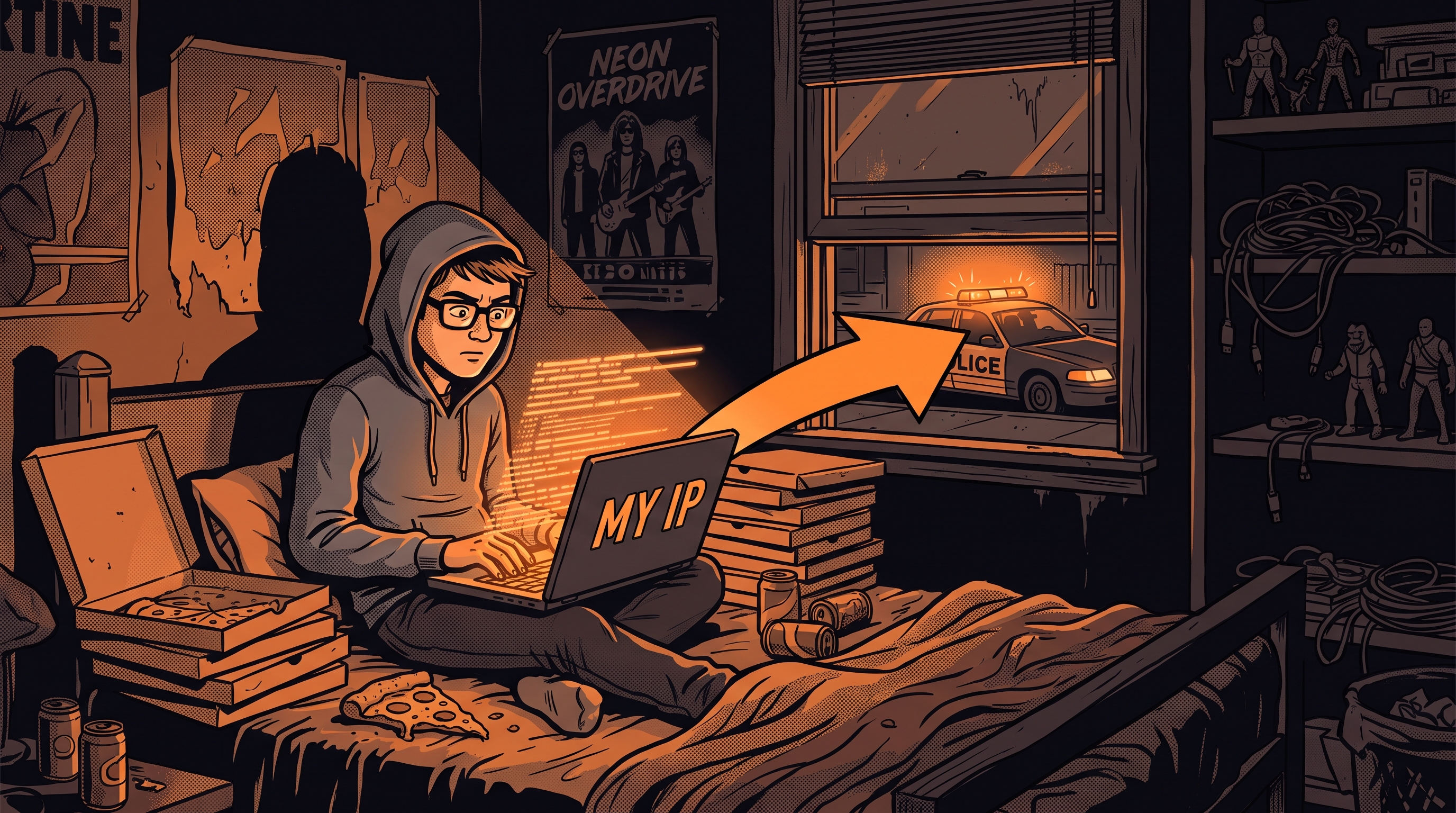
An Alleged Pizza-Data Thief Got Caught Browsing the Loot From His Own IP Address
Intro
Stealing hundreds of millions of pizza orders is one thing. Browsing them from home is another.
What Happened
Russian police detained three suspected members of the DataSuckers group, and a Moscow court put 19-year-old Denis Fridman under house arrest until December 8 over the Dodo Pizza breach. The records reportedly cover hundreds of millions of orders over 15 years. Russian outlet Baza reports Fridman exposed his own IP address while accessing the stolen data, which led police to his home in Barnaul.
Why It's Important
The breach allegedly started with Dodo corporate credentials exposed on GitHub, which opened cloud storage, databases and stored passwords. Kommersant reports the database was offered for $100,000, paid into a shared crypto wallet whose password changed after his arrest.
The Other Side
The Record couldn't verify how police found him, and the group's bigger claims, like data on 7.9 million customers at Ukraine's ATB grocery chain, are unverified and denied. A fourth alleged member is still at large.
 
👉 Takeaway
Scan your public repos for credentials before a 19-year-old does. Opsec failures cut both ways.
TL;DR: An alleged pizza-data hacker reportedly got caught browsing the stolen data from his own IP.
Further reading: The Record

A deal has two sides. Your stack only sees one.

Aligned shows you the other half. See what buyers actually do between meeting. See what they open, revisit, and share; so you know the exact next step to move things forward. And your champion gets everything they need to win internally when you're not in the room.